
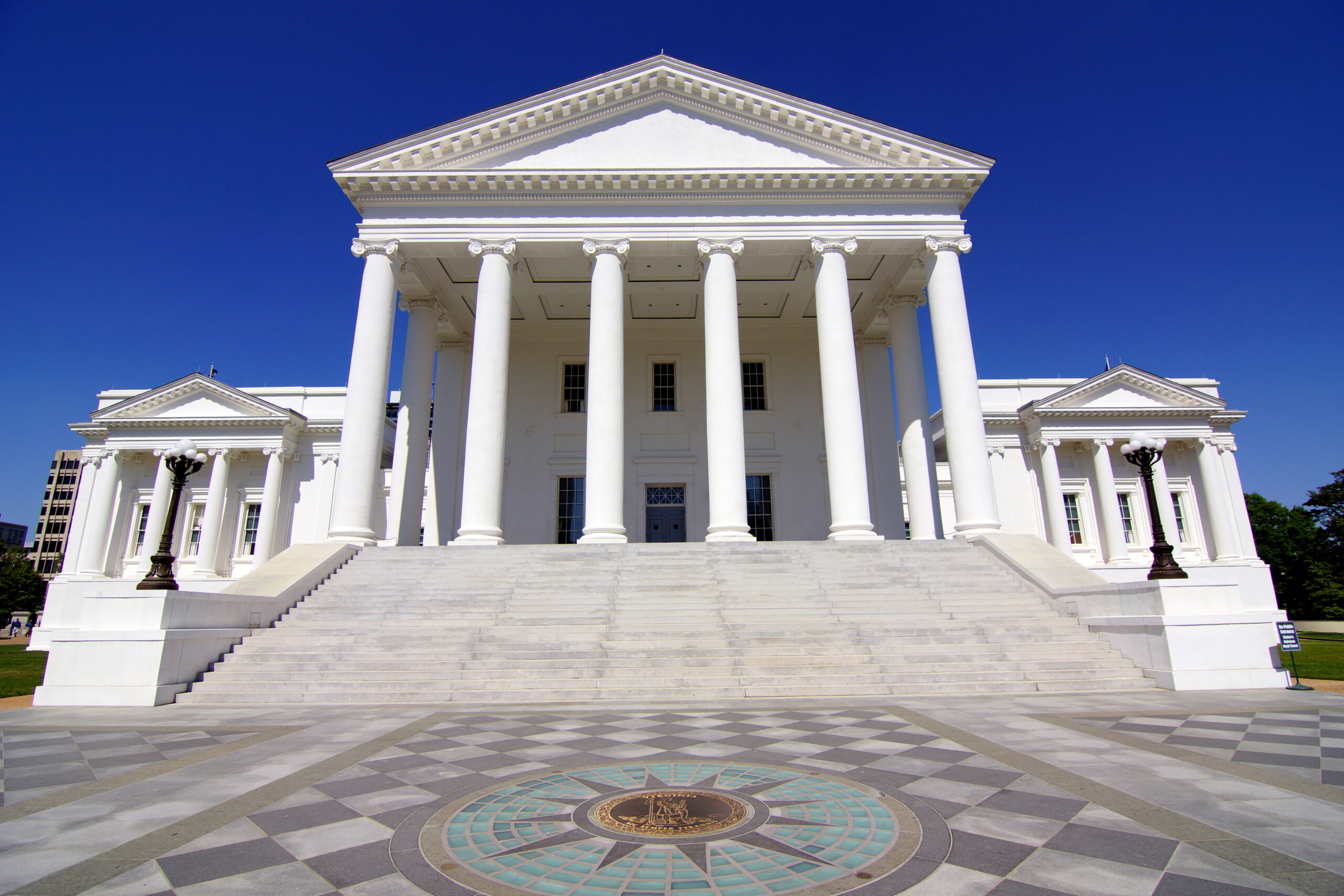
Congrats to Chelsea Henderson and Shuting Pomerleau on yet another captivating episode of EcoRight Speaks! I found the episode’s topic to be an excellent follow-up to Shuting’s republicEn debut on the podcast in 2024, especially given that it’s been almost a month since Virginia officially rejoined the Regional Greenhouse Gas Initiative (RGGI). Chelsea and Shuting dive deeper into the policy implications for Virginia’s re-entry in Episode Two of Season 13 of EcoRight Speaks, as the Old Dominion State had previously exited the initiative in 2023. For those who have yet to tune in, RGGI is a cap-and-trade program, which has been running since 2005 and was adopted by 11 states in the Northeast with the cooperative goal of reducing carbon dioxide emissions in the power sector.
With a special interest in carbon tax policy, I have been closely following Virginia’s re-entry, as it provides a current example of how carbon pricing plays out in our political economy and offers insight into the complexity of market-based environmental policy. However, the development has also left many with questions, particularly concerning spikes in consumer energy prices and what the government plans to do with the revenue from the auctioning of carbon allowances.
In the time since the state left the RGGI in 2023, energy demand and carbon emissions have grown and continue to ascend substantially, particularly due to the surge of AI data centers in the region. As cap-and-trade allowance demand rises and prices spike under RGGI policy, energy suppliers, utility companies, and eventually consumers alike will have to make significant adjustments.
Simultaneously, the Virginia Clean Economy Act (VCEA), a stringent regulatory law on carbon emissions, has also been in place since 2020, putting more pressure on the state’s economy. In the podcast clip below, listen as Shuting notes it is no secret that Dominion, the leading energy utility in Virginia, has immediate plans to “increase an average household’s monthly utility bill by 13 dollars”:
The goal of the RGGI is to auction off carbon allowances, as long as households aren’t the ones getting outbid. While this dramatic consumer cost is certainly concerning, it also offers great opportunity for innovation and creative policywork. Here lies the astonishing potential to craft market-oriented, taxpayer-protection legislation, especially considering how the program is expected to generate one billion dollars in revenue annually for Virginia.
With both RGGI and VCEA measures in place, Virginia walks a vulnerable path in public support for positive climate policy. Navigating this dual framework successfully will demand careful, deliberate strategy from policymakers. Thoughtful planning around rebates, targeted energy bill assistance, workforce transition funds, and grid modernization can help build public trust and support. I am eagerly awaiting future decisions, confident that strategic policymaking can lead to sustainable progress.
—
Livia Payne is republicEn’s summer 2026 intern. She is a sophomore at Northeastern University in Boston, studying Political Science and Environmental Studies.