
The theme of the week is rain and mud, given not only the weather, but the podcast topic—and my gray-sky-inspired state of mind!
But on the plus side, last week I had the honor of speaking virtually to a class at Texas A&M taught by one of our long-time members. With a focus on the 1980s-90s era of climate policy, perhaps the most intriguing era of my book, I appreciated the (nerdy) chance to share how things used to work in Washington with a classroom of Gen Z students who have grown up in this hyper partisan era.
(P.S. I’m happy to do more events like this…)
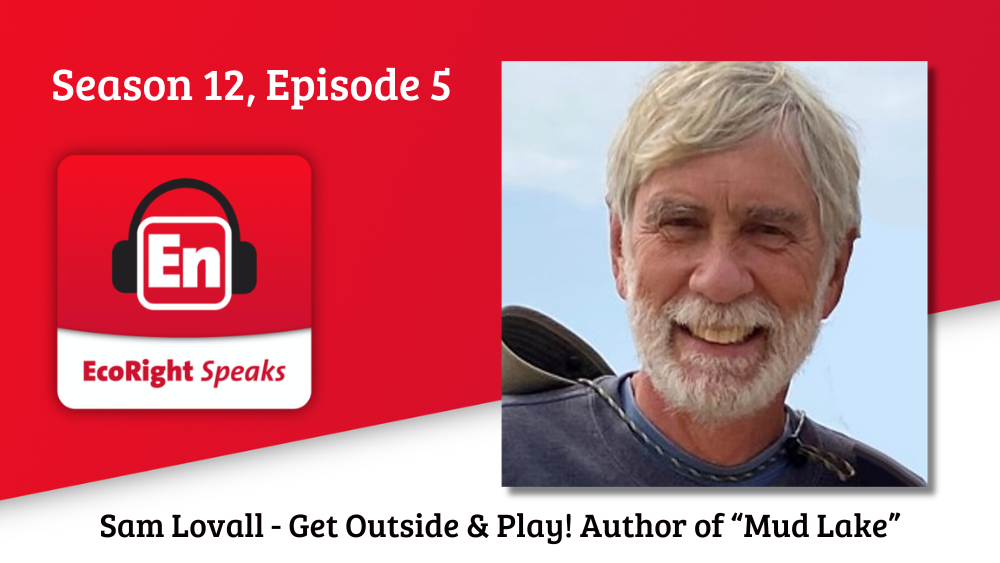
Let’s get muddy… with author Sam Lovall
If there is one thing I believe most EcoRighters have in common, it’s a love and appreciation for the great outdoors. And that brings me to today’s guest.
Sam Lovall is the author of a book titled Mud Lake, focusing on wetlands, biodiversity and climate change. Part of the narrative of his story focuses on how exposure to the outdoors as a kid can help foster a conservation ethic later in life. He reached out to me about his book and background and I quickly locked him in as a guest.
In addition to being an author, Sam has over 35 years of landscape architecture experience in design, construction, and grant writing for parks, riverfronts, trails, and environmental planning projects.He also teaches landscape architecture classes for Michigan State University. In 2020, Sam received the Environmental Law Institute’s National Wetlands Award for Local Stewardship. Now residing on Lake Huron, he lives nearby the special places he writes about.
I hope you enjoy the conversation! Don’t forget to get yourself a copy of Mud Lake by Sam Lovall.
Coming up next week, we delve into “what’s next” for carbon pricing with our friend Alex Flint, who was recently published in The Invading Sea with his op-ed, this week’s must read, A climate policy’s best chance could come from Social Security crisis.
“Climate change advances on a human time scale that is slow enough to blunt urgency, even as its effects become increasingly clear. The frog-in-a-pot analogy remains depressingly apt. If meaningful climate policy is to emerge, it will not be because policymakers suddenly discover a better idea. It will be because political circumstances force a reconsideration of old ones,” he writes. “That moment is approaching — not because of climate change itself, but because of Social Security.”
(Related, did you realize that Social Security is going to be insolvent by 2033? Even if claiming this benefit for yourself seems far off in the future, this is a serious issue everyone should care about!)
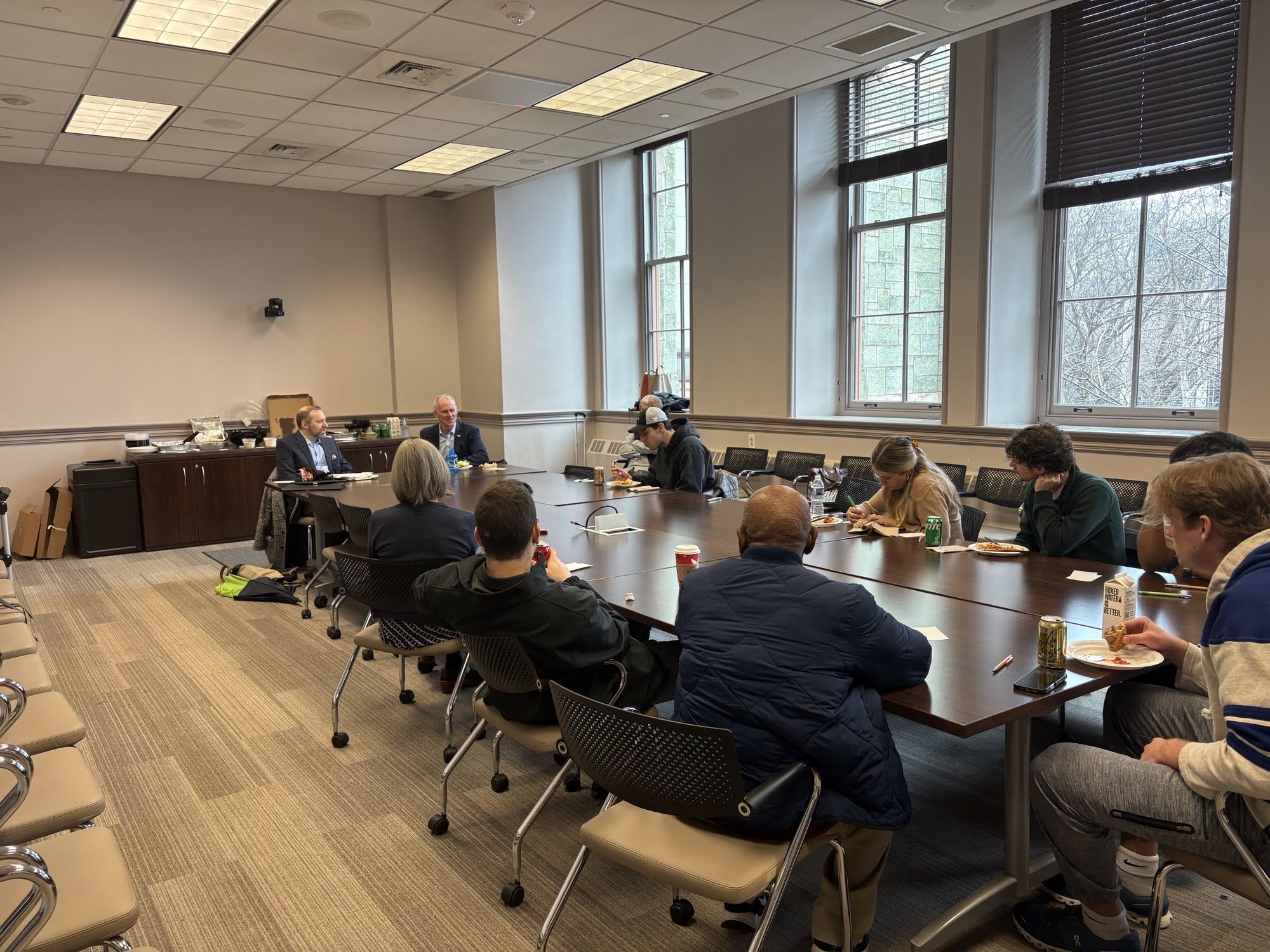
Bob in the wild
This week found Bob Inglis traveling to Philadelphia to participate in the University of Pennsylvania’s America’s Divides: A Political Lunch Series.
The topic?
“Conservatives control the White House, the House of Representatives, the Senate, and the Supreme Court. Yet this apparent unity masks deep divisions within conservatism itself, with major philosophical and policy disagreements. This lunch series brings activists, a retired lawmaker, and a leading thinker to campus to explore the competing visions of conservatism, as well as the broader fractious moment in American politics. Drawing on their diverse roles in the political sphere, speakers will shed light on the complexities of the political process.”
From the Mountain West
Our op-ed gang in the Mountain West is at it again with their latest piece, Comprehensive Energy Reform Effects on New Energy (Laramie Boomerang).
“Energy permitting reform is one of the most important climate policy issues in the U.S. Congress,” write It brings together diverse stakeholders such as the Solar Energy Industries Association and the American Petroleum Institute (API). At a recent Senate hearing, the API put it bluntly: energy demand is growing faster than our ability to build infrastructure. Whether the priority is affordability, reliability, national security, or emissions reduction, the conclusion is the same: America needs to build big things again.”
(Related: The Boomerang might be the best small town paper name I’ve ever encountered.)
Calling all New York City Dwellers!
The March NYC Climate Science and Energy Engineering Dinner will be on Monday, March 9th, at 7pm, in Manhattan.
If you’re in town and interested, you can register here. The topic of this month is batteries. The Conservative Climate Activists organizer will give a 30-60 minute talk on the subject, passing an iPad around the table showing graphs and charts.
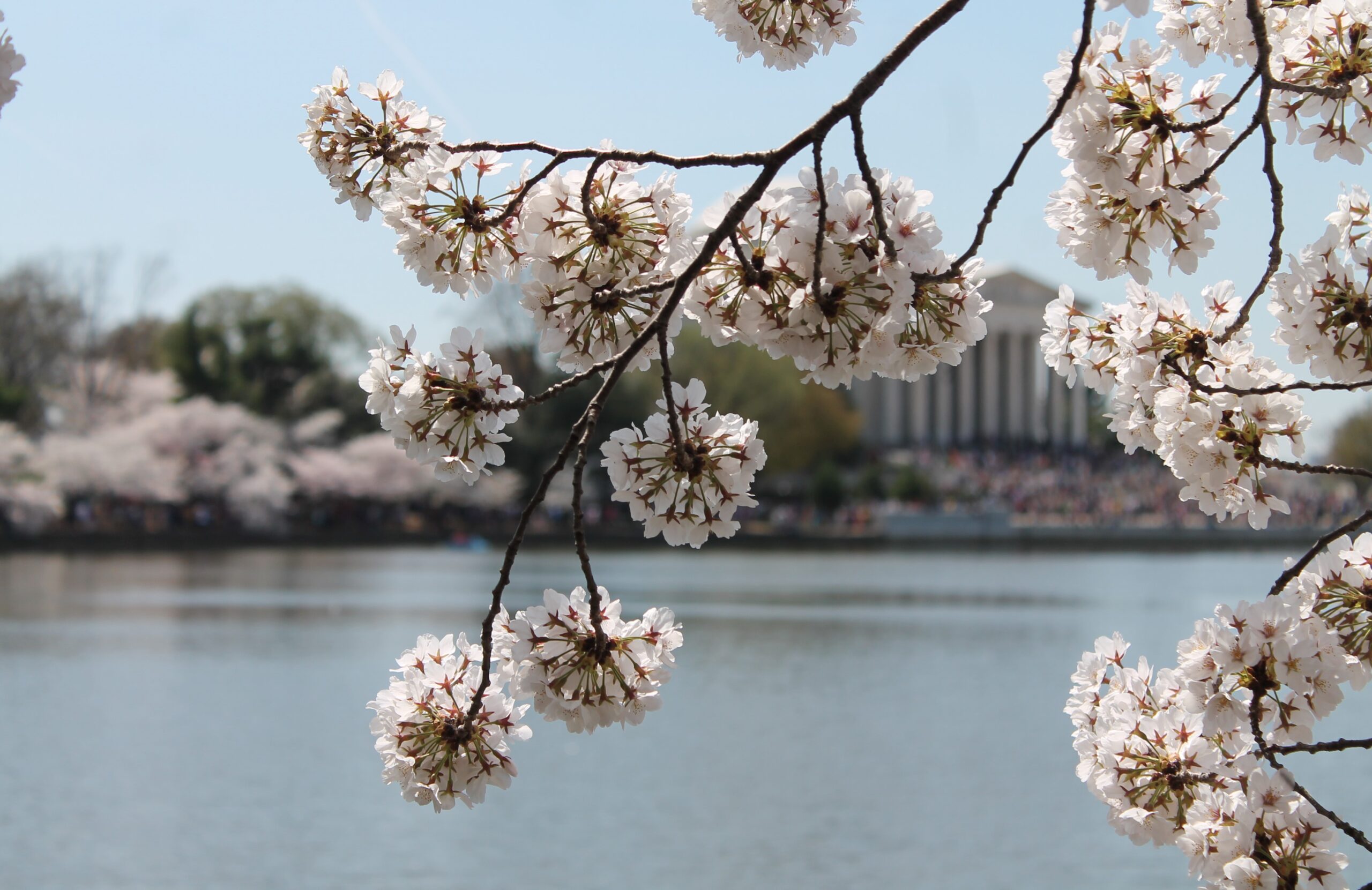
🌸 Ending on some good news, Cherry Blossom Season is NEAR! 🌸
According to the National Park Service, the iconic blooms will hit their peak at the end of the month! Also, since we’re almost done, do you have time for a quick story?
The year was 1997 and I was walking down the Pennsylvania Avenue, north of the House Cannon Office Building (for those who know the city). It was a crisp October day and my friends and I were on our way to happy hour at the Capitol Lounge when a car pulled over, the passenger rolled down the window and asked, “which way to the cherry blossoms?” Momentarily stunned, we looked at each other before one of us said, “well, you’re going in the wrong direction, but also, you’re both six months too late and six months too early to see the blooms.” I can’t remember who delivered the bad news, but I will never forget the disappointed look on their faces.
Anyway, cherry blossoms will cheer us all up soon as harbingers of spring!
Have a nice weekend!