
This week’s ear worm comes courtesy of the 1970s and an album my parents used to play on repeat: “It’s like a heat wave…burning in my heart. Can’t keep from crying. It’s tearing me apart.” (Grown up Chelsea now understands that this Linda Ronstadt song is not about above average temperatures but about love, but that doesn’t mean it’s not playing on repeat in my brain. Or that this summer heat isn’t prompting tears.)
More below on the heat wave that was July 2026.
Can AI be the catalyst for decarbonization?
Without a doubt, whether you like it/use it or not, AI is changing the shape and scope of the world as we know it.
While many talk about the negative impacts of AI, including the associated energy demands, the Climate Leadership Council’s Greg Bertelsen sees opportunity, opportunity to take advantage of the largest investments being made (in AI) probably in our lifetimes. Clean energy and renewables have the potential to attract significant investment to fuel AI needs, making AI a driving force toward a new energy paradigm.
In his essay, An Optimist’s Case on AI and Climate, Greg delves into the transformative prospects of AI investment to lead us to a decarbonized world. And in this episode, he explains what makes him optimistic for this game-changing transformation.
“What if AI is actually the catalyst that drives global decarbonization more than any factor before it? Surging power demand is already pulling the next generation of energy technologies to market,” he write. “It’s responsible for the biggest clean energy power purchase agreements in history, while forcing the bipartisan work of permitting reform. And it’s providing a platform for more rapid innovation in decarbonization technologies throughout the economy.”
Take a listen and let us know if you agree with his optimism!
Coming up next week, a conversation on grid resiliency with NextGen Energy founder and CEO Kimberly Johnston and NextGen’s VP of Public Partnerships, Communication and Advocacy, Shannon Fitzgerald O’Shea.
After Winter Storm Yuri nearly took out the Texas grid, Kimberly channeled her decades of experience in the energy sector and funneled it into making sure a storm like that never hurt anyone again. Check in on how Kimberly and Shannon are working to do that in next week’s episode.
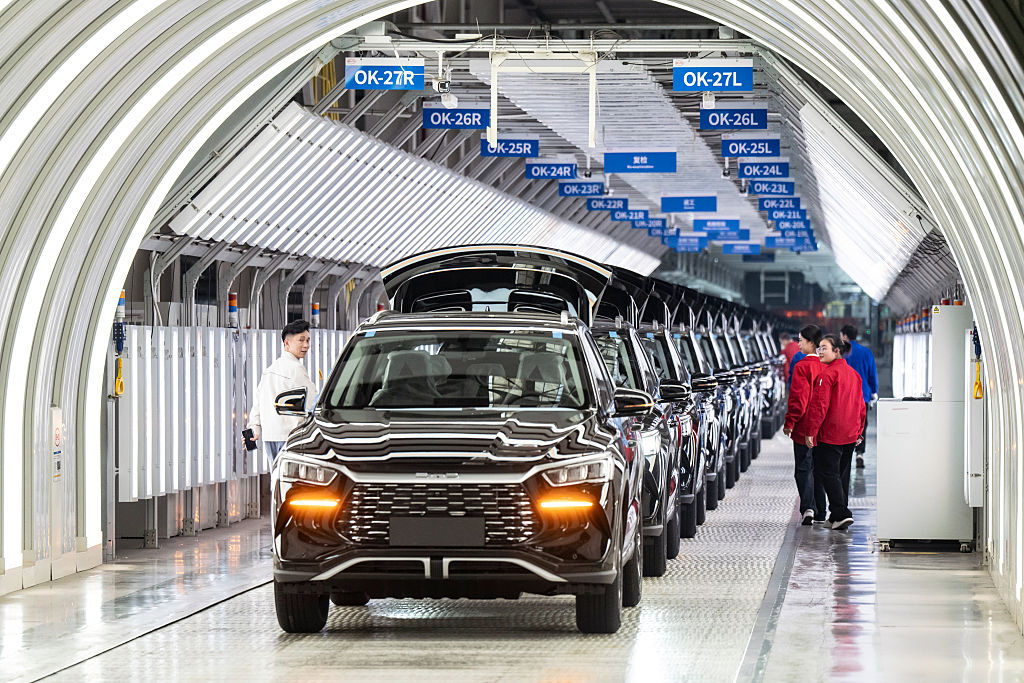
Another (short… under ten-minute) must listen: China is shaping the technology of the future. Where does that leave the U.S.?
H/T to Bob Inglis for catching this segment of Marketplace live (while in the car, of course) and recommending the republicEn.org team take a listen. The show echoes other analysis we have heard on China, their rapid innovation drive, and implications on the U.S.
“China likes plans,” journalist Evan Osnos explains. In 2015, the country came up with a plan called Made In China 2025. “We want to be leaders in a whole range of technologies, so things from lithium ion batteries and electric vehicles to eventually robotics and AI…when they set about building something like technology, it very often comes to pass.”
The question: does this moment of “American withdrawal” create a path for China’s rise? Or can the U.S. catch up?
Tune in to find the answer! Or you can read his long-form version of his reporting on China here. (And if anyone has a connection to Evan Osnos, we’d love to have him on the podcast or a future webinar!)
Hottest Month on Record
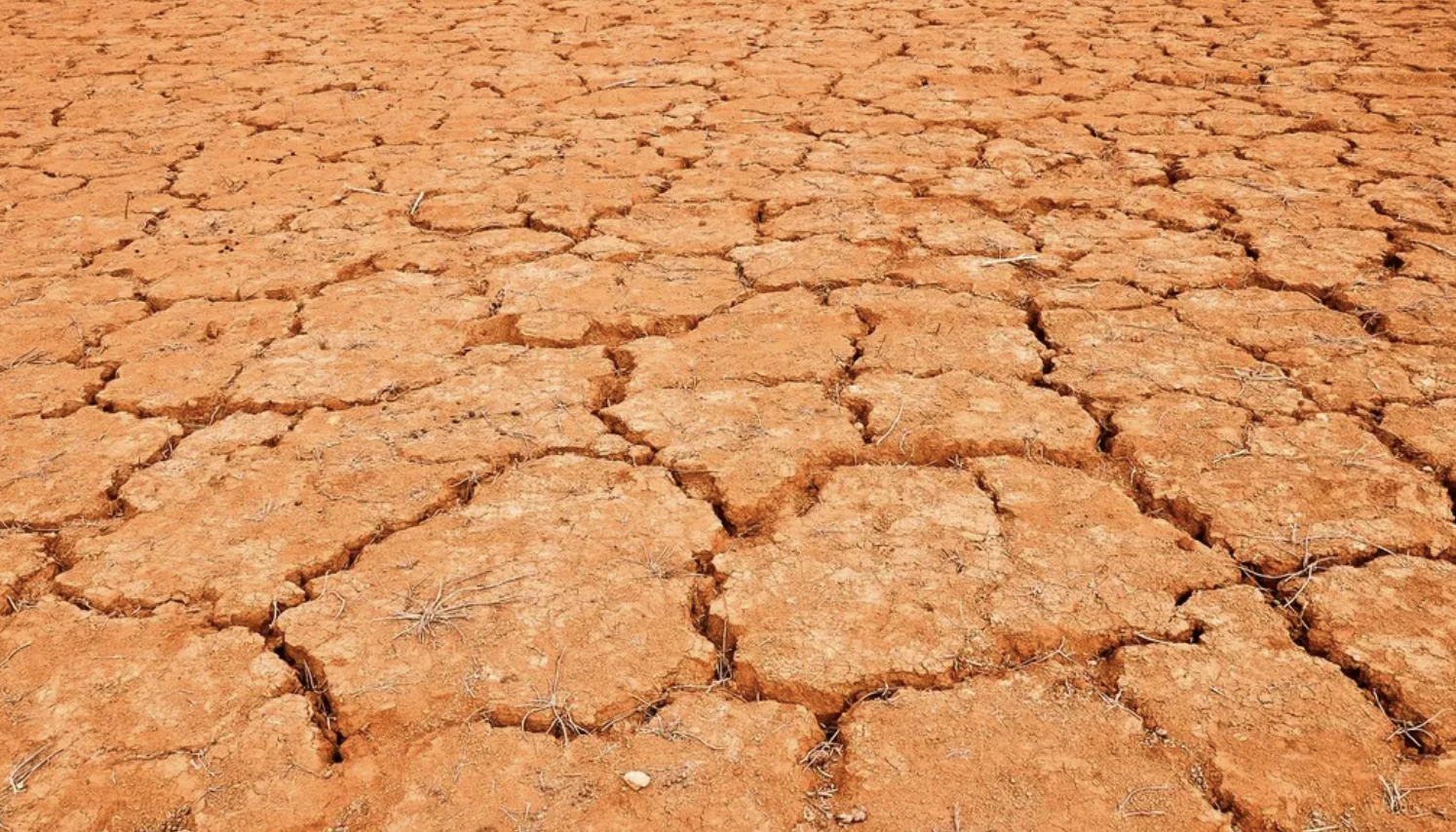
No surprise given the gallons of sweat I produced, NOAA has determined that July 2026 was the hottest month in the 132-year record for the contiguous U.S., with an average temperature of 76.9 degrees, which was 3.3 degrees above the 20th-century average.
It was also the third driest July on record.
I know summer is supposed to be warm, so I thought this explanation of what is happening, from evangelical climate scientist Dr. Katharine Hayhoe, put the situation into perspective:
“We have always had heat waves in the summer. That’s a normal part of our weather. But as climate changes, as the planet warms decade by decade by decade, our heat waves are getting longer and stronger, more intense and more dangerous. So, the heat waves that we were used to when we were kids, that’s not what we’re experiencing now in the places where we live and that’s putting us all at risk.”
[Webinar] Connecting the dots between extreme weather and student success
From student learning loss and health issues to infrastructure strains and hard resource decisions, the changing environment is impacting our children in their schools. In this August 26th webinar, our new favorite EcoRighter, Sen. Bill Frist, M.D., will lead a discussion with national experts and education leaders to examine research, highlight firsthand experiences, and explore what actions school and district leaders, state leaders, policymakers, and advocates can take now to better protect students and the adults who serve them.
Register for the virtual event here.
And now that you’re caught up… start your weekend!