
The countdown has started for my end of summer trip to Maine though this time I’m only going for a long weekend rather than trying to span two weekends. (How can I be away from baby cats for that long?) Still, to feel an ocean breeze on my taste, taste lobster on my tongue, and smell the piney scent of the Maine woods will be dreamy. You’ll still hear from me about all our favorite clean energy and climate topics when I’m gone, so fret not!
But before I go, some things are on my mind…
This week’s must read: Want to do something about climate change? Talk about it. (Alaska Beacon)
When I read the title of this piece, I knew it had to be about our favorite climate scientist, Dr. Katharine Hayhoe, who consistently says the best thing to do to effect change is to talk. “Talking catalyzes action. If we want to catalyze action in any sector, whether it’s in electricity, transportation, food, resilience or anything, talking is the first step” toward connecting the head and the heart.
“For years, I’ve been asking people: Do you feel like the weather is getting weirder? I haven’t had a single person tell me they didn’t think so,” she says. “Most people have tons of stories to tell me. Then I just help them connect the dots. I say, ‘That’s exactly what’s happening here, and it’s happening all over the U.S. and all around the world. This is the number-one way that climate change is affecting us.’ Then we’ve closed the head-to-heart gap, just like that — and they did it themselves.”
Resist climate hushing and embrace climate talking! And if you haven’t read it yet, Katharine’s book Saving Us is a great read!
Keep the Lights On!
How do we keep the lights on during extreme weather such as Winter Storm Yuri, the Texas ice storm of five years ago that one of today’s guests lived through and never hopes to repeat? NextGen Energy founder Kimberly Johnston launched her company to do just that. A community energy infrastructure company focused on catalyzing public and private sector collaborations and mobilizing capital investment toward transformative U.S. clean energy economic development projects, NextGen Energy was founded to build a safer, more resilient America by ensuring families, communities, and critical services never lose power.
Past podcast guest Shannon Fitzgerald O’Shea recently joined NextGen Energy as the VP of Public Partnerships, Communication and Advocacy, building the company’s communications and external affairs function from the ground up, meaningfully increasing awareness of community clean energy infrastructure solutions with policymakers, municipal leaders, potential partners and other key stakeholders.
Last week, the Governor of Massachusetts/Executive Office of Energy and Environmental Affairs announced $45 million in state grants for community level climate and energy resilience projects… and the NextGen initiative, Keep Lights On MA, was one of the recipients of a 7-figure award. Three small towns in central Massachusetts—Ayer, Shirley and Harvard—supported by NextGen Energy, were co-applicants on the grant submission. This is the kind of on-the-ground, community level resilience work Kimberly and Shannon are devoted to facilitating.
More on their work in the episode!
Coming up next week, a very related conversation with energy expert Pat Wood, who has served both as an energy regulator in the State of Texas and at the federal level, on FERC under President George W. Bush. He will extol the benefits of Distributed Energy Resources (as spelled out in a recent Pew report he co-led) as a way to make our power sector more resilient and affordable.
Speaking of Texas…
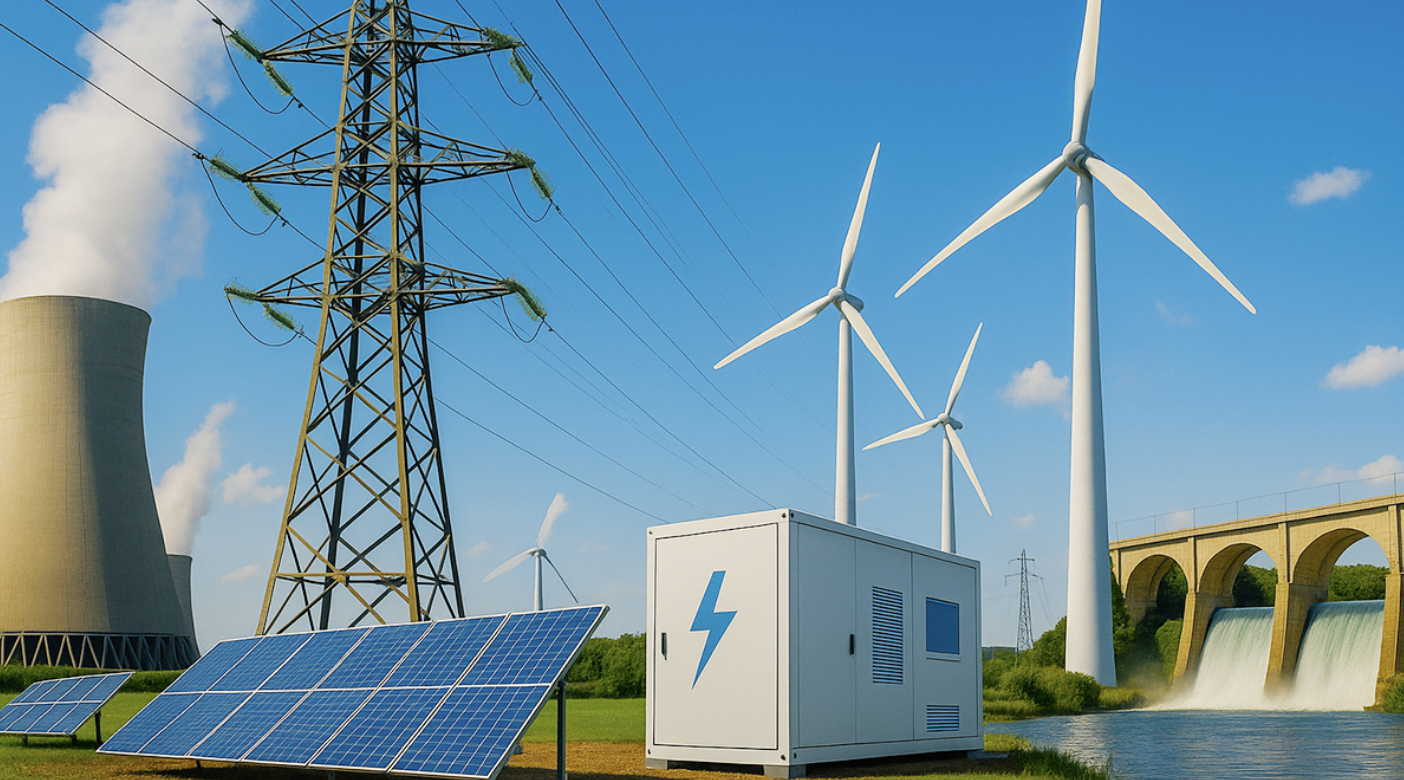
We have devoted a great deal of time and energy into sharing the incredible story of energy power house that is the state of Texas. Number one in utility-scale solar, number one in wind, this traditional oil and gas state has embraced an all-of-the-above (and below) approach to energy and as a result, is the number one clean energy state in the nation.
It didn’t happen overnight. It didn’t happen because of left-of-center policies. But it did happen due to the leadership of smart people who recognized the value in tapping into your natural resources.
An article I read recently went into some of the history behind how Texas got to where it is today.
“Texas, being an extremely sunny and windy place, has an ideal natural landscape for renewables. Midland is famous for oil wealth, but in the early twentieth century it was known as Windmill City, as nearly every house had a windmill in its yard. But natural resources alone don’t explain everything. People must make decisions and lead, and at the end of the twentieth century one of those people was a Midland native, Republican governor, and future president.”
Then-Governor and later President George W. Bush “didn’t support renewable energy out of concerns over air pollution or global warming, but because he saw how much money there was to be made in the industry.”
He saw how much money there was to be made in the industry…
“The partisan gap in Americans’ views on renewable energy and climate change has widened in recent years: Just 23 percent of Republicans viewed climate change as a major threat to the U.S. in 2023, down from 30 percent in 2020… Republicans’ support for solar and wind turbine farms also dropped significantly between 2016 and 2021,” according to Pew Research.
Why this decline? Especially when we have examples of red states leading the way on clean energy?
“The frustrating part [of the decline in support for clean energy] is we can’t get out of our own political culture wars to realize it,” Benji Backer said at the recent Iowa Conservative Energy Forum annual meeting in Des Moines. “Our politicians could be passing important legislation, our companies could be taking great action, a lot of things could be happening that aren’t.”
Consigning is conservative
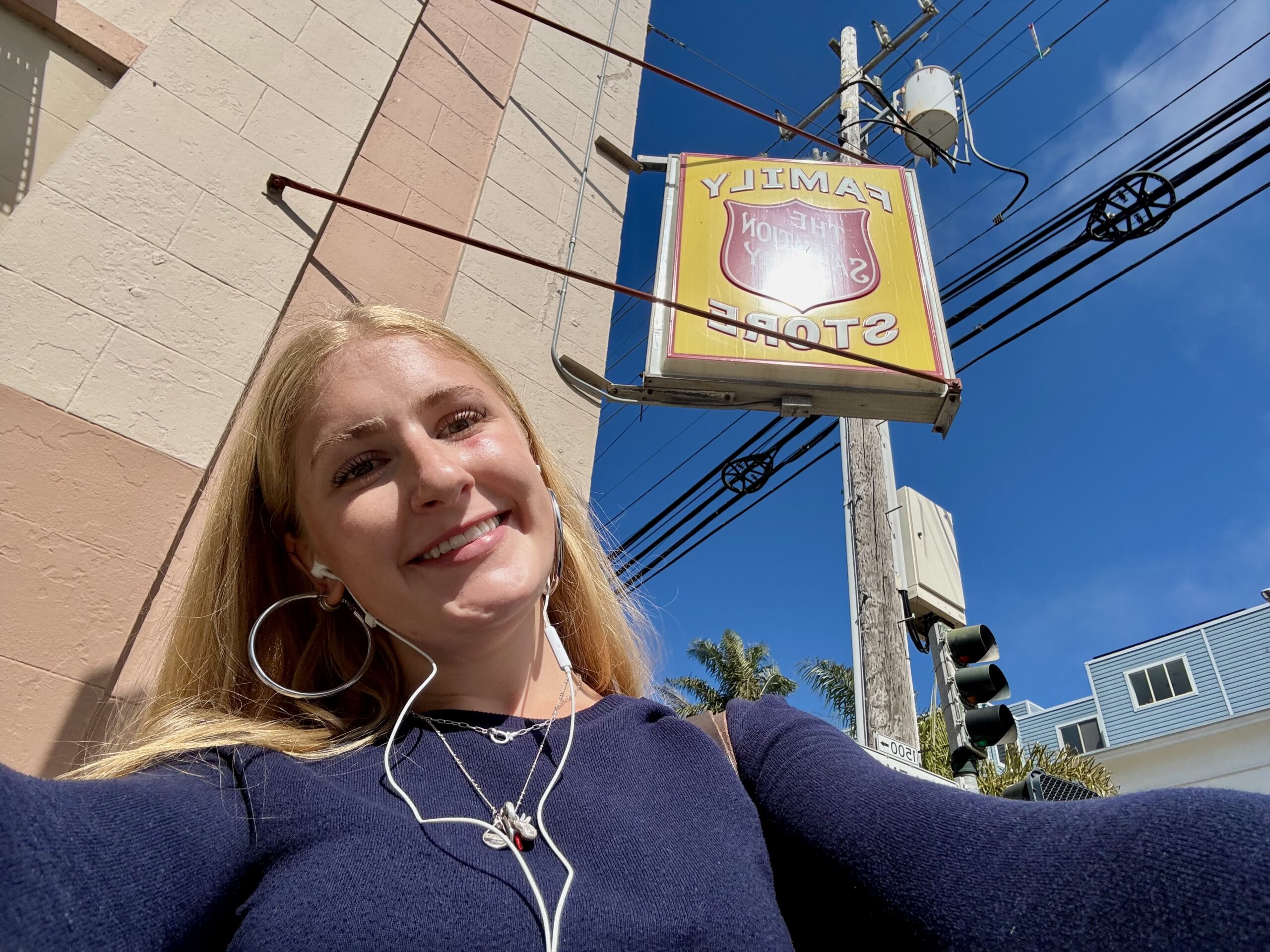
Thank you to our summer intern, Livia Payne, for this insightful glimpse into the world of thrifting. Fast fashion has exploded into a real problem for the planet. Gone are our grandparents’ days where they had one “nice coat” or a single “Sunday dress.” In this blog post, Livia takes us on a thrifting journey as she gets ready to return to school—and sheds some light on the harm fast fashion causes.
Read Livia’s blog post here.
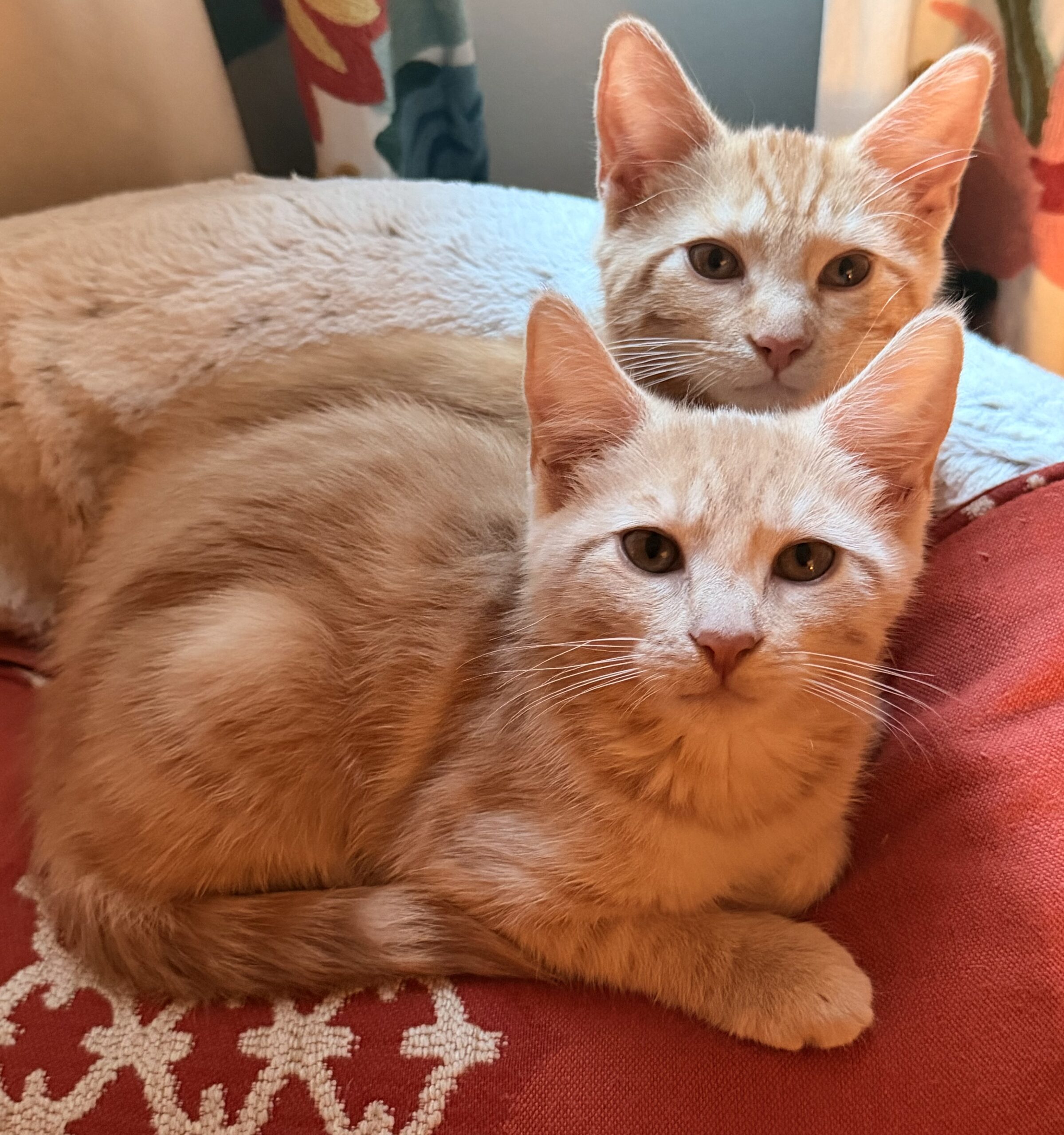
These cutie pies are getting bigger every day. They bring such joy (except when they are trying to climb my huge monstera or catch my feet when they move under the sheets) and I can’t wait for a weekend of relaxing and playing with them!
Hope you have a good one!