
Innovation is the American Way
The clean energy race is on.
This is a race about leading technical innovation: building better EVs, designing the small nuclear reactors of the future, and expanding advanced battery storage capabilities.
It means using all the abundant natural resources at our fingertips and figuring out the most efficient and cost effective ways to deliver clean, affordable, abundant energy to Americans.
When the U.S. innovates, we create jobs. Those jobs strengthen local, state, and national economies. And give us global bragging rights.
But in this $3 trillion dollar clean energy race, we are winning some and losing some — when we should be sweeping the gold.
Take this tale of two technologies:
Our Moonshot Moment
China is moving quickly to electrify, which they are incentivized to do given they import 70% of their petroleum.
Automaker BYD is the number one EV manufacturer in the world, surpassing Tesla in 2025 for EV sales, with vehicles boasting impressive range, one model getting over 600 miles on a single charge. Their “flash” charging technology allows cars to go up to 300 miles on a 5-minute charge.
These cars are affordable, too. Even the “Big 3” in the U.S. knows they have work to do—and they are answering the call.
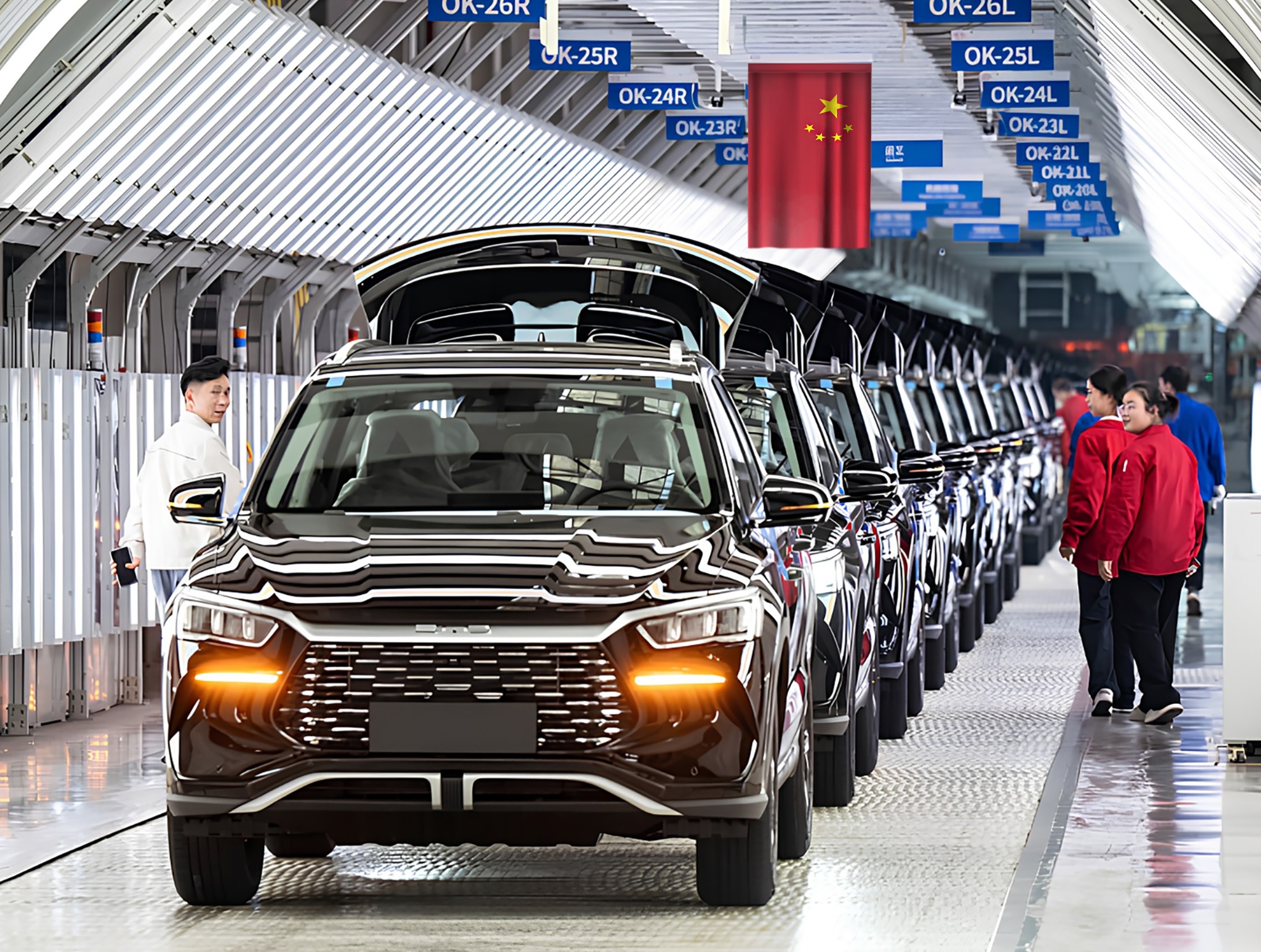
When America competes with a state-run economy like China, we’ve got to play to our strengths. People who grow up in freedom learn to be creative. That’s our strength. We adjust to our circumstances. And free enterprise can move faster than centrally-planned systems.
That’s how we beat the Soviets to the moon. That’s how we’ll win this innovation race with China.
We’re behind. But we can catch up. We are a nation with a great history of innovative thinking.
Why We Dig Geothermal
By harnessing heat from the Earth’s core, “an awesome resource that’s under our feet,” boasts Secretary of Energy Chris Wright, geothermal energy has the potential to deliver a 24/7 energy source with no emissions, waste, or fuel costs.
It works like this: geothermal wells drill into underground rock ,turning water into steam, which then spins a turbine to generate electricity. And there is enough energy beneath the earth to fuel more than 140 times the world’s thirsty energy needs.
Here at home, advances in geothermal technology and more wide-spread adoption can enable the U.S. to bring 90 gigawatts of this God-given resource online by 2050, enough to cleanly and reliably power at least 65 million U.S. homes at once.
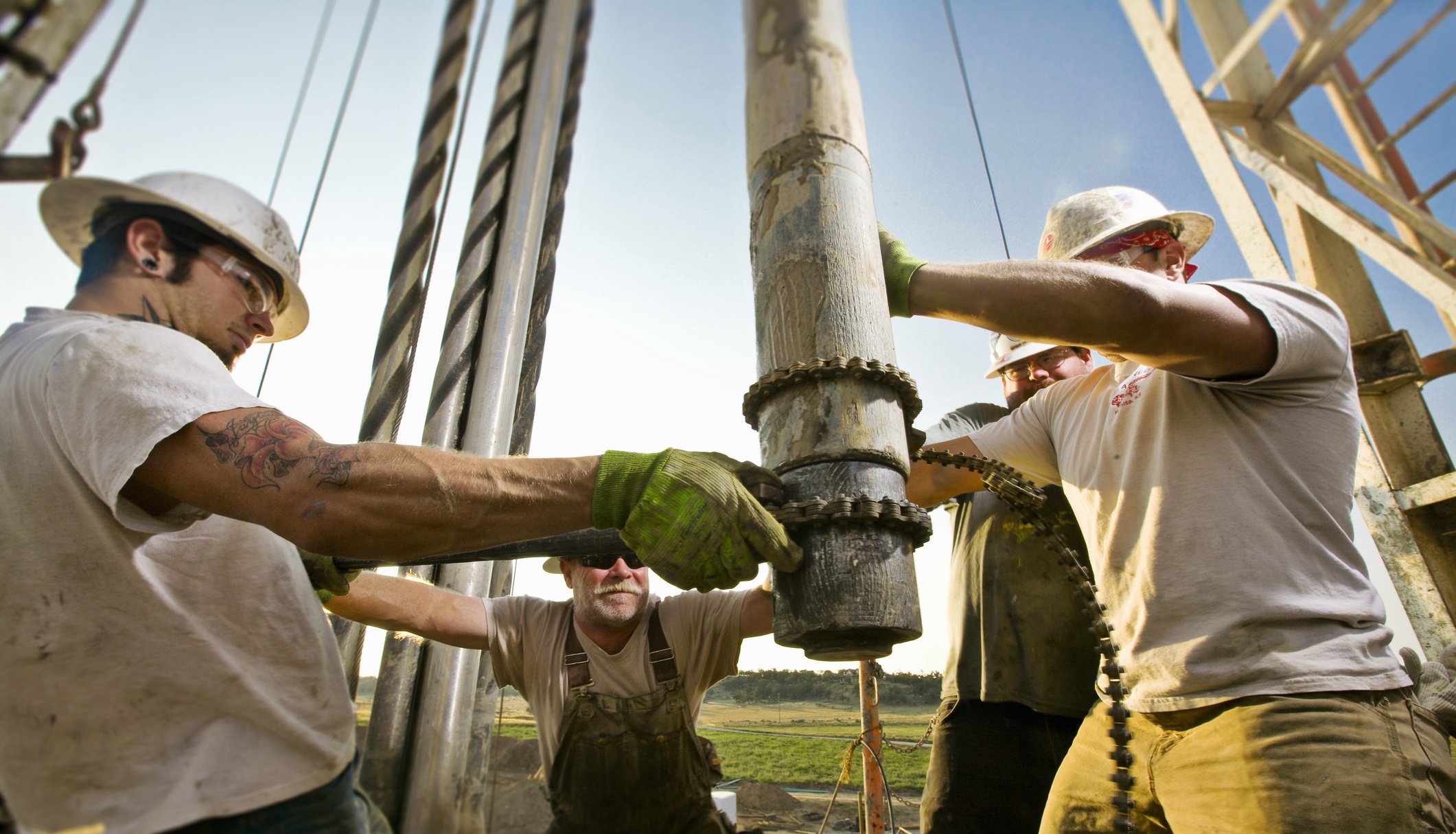
Better yet, we can tap into this vast resource in cooperation with the oil and gas industry, whose underground infrastructure and professional drilling skills can be readily transferred.
Let’s dig deeper.
Modernizing how we keep the lights on
Winning this lucrative clean energy race comes down to making a lot more electricity—and getting it to consumers.
China’s battery companies have become auto manufacturers. Our oil companies can become geothermal energy companies. We can commercialize small modular nuclear reactors, get more efficiency out of solar panels and produce the next-generation batteries.
In order to use all the plentiful energy we have above and below ground, America needs to build a transmission system not for the 21st century but for the 22nd. Fortunately, these conversations and adjacent ones around permitting reform and transmission modernization are happening in a bipartisan manner in states and the halls of Washington, but policymakers need prodding.
We wouldn’t drive our modern-day cars on roads built for horse and buggy; similarly, we cannot harness so many renewables, fuel data centers, and charge our electronic devices on a grid built for analog times. We need to build smarter. We can do it.
We can lead. We can build. We can win.
We’re in a new race.
Throughout history, Americans have a proven track record of exceptionalism. It’s time to step up. We can solve climate change and own the clean energy economy, making our country wealthier and healthier in the process. Let’s win this.
Join us.
Learn more: