
We’re back from a glorious two-week break where I only consumed the four food groups of beef, cheese, salt, and wine. It was refreshing to relax and spend time with family, though on a sad note, we had to bid farewell to our cat Fang (frequently pictured in this newsletter) but at least she was with her whole family when her health started to turn.
Now on to 2026…

What we’re expecting…
Are you curious about what the future of climate policy in 2026 looks like? You’re probably not alone! Tune in on January 28th at 1:30ET, when I will be peppering Bob Inglis with all the tough and juicy questions (taking recommendations — what do you want me to ask?) for our first 2026 webinar.
Join us for Bob Inglis Spills the Tea with Chelsea Henderson. And in case, like Bob, you don’t know what “spill the tea” means, that is cool speak for share all the secrets.
Seriously, we are here to shed light on what you want to know so be sure to share your questions with me, whether you can make the event live or not.

Harkening back to more bipartisan time
President George H.W. Bush was in office. But it was also an election year and he was running against Arkansas Governor Bill Clinton. The threats of climate change had finally permeated and lawmakers were acting. In October of that year, just weeks before the general election, the Senate unanimously ratified the United Nations Framework Convention on Climate Change (UNFCCC), the foundational global treaty on climate change that underpins international cooperation and negotiation.
The first industrialized country to officially join the treaty in 1992, it grew to include 197 nations.
This week, President Trump announced the U.S. is pulling out of the treaty, the only country to ever do so. The move, while being questioned legally, leaves the U.S. out of talks on global renewable energy issues, and paired with clean energy rollbacks earlier this year, cedes the clean energy economy to other nations like China. It leaves the U.S. out of discussions on hazard mitigation.
(Keep reading… I have more thoughts on this…)
“The Climate Convention is the first step in crucial long-term international efforts to address climate change,” Bush said in a statement upong signing the treaty in 1992, calling the pact “comprehensive in scope and action-oriented. All parties must inventory all sources and sinks of greenhouse gases and establish national climate change programs. Industrialized countries must go further, outlining in detail the programs and measures they will undertake to limit greenhouse emissions and adapt to climate change and quantifying expected results. Parties will meet on a regular basis to review and update those plans in the light of evolving scientific and economic information.”
The following words sum out how I feel about this situation:
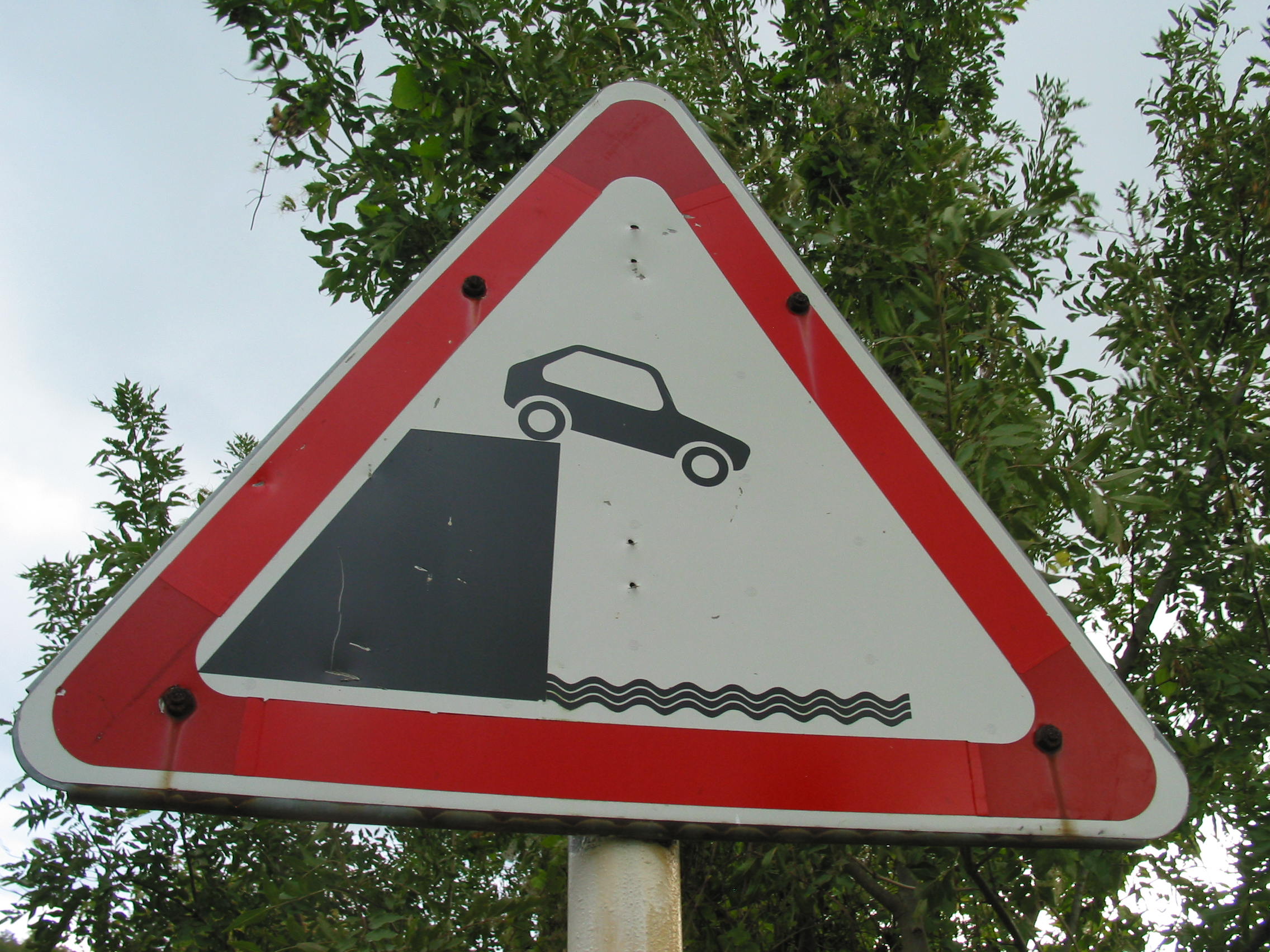
“The path that society is following today is much like driving a car toward the edge of a cliff. We have a choice. We can go ahead, take no action and drive off the edge–figuring that, since the car will not hit the bottom of the canyon until our generation is already long gone, the problem of coping with what we have made inevitable, is for future generations to deal with. We can hope that they will learn how to adapt. On the other hand, we can put the brakes on now, before the car gets any closer to the edge of the cliff and before we reach a point where momentum will take us over the edge, with or without application of the brakes.” Said by my former boss, the late Senator John H. Chafee of Rhode Island, in 1986.
The words resonate today.
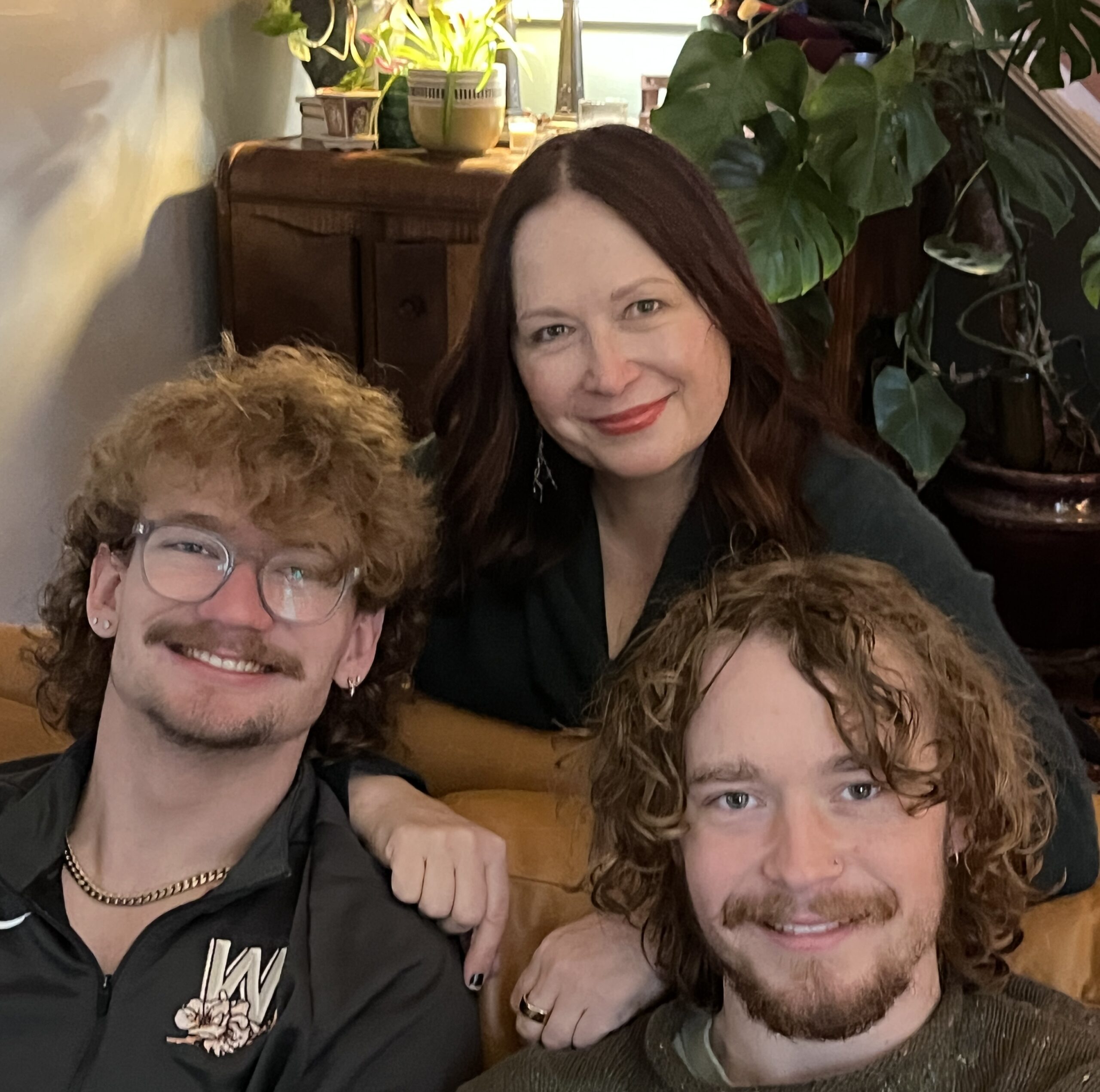
To end on a happier note, wishing you well in 2026!